How Much Grief is Too Much?
Law & Policy InsightsMental Health and Well-BeingOverview Prolonged Grief Disorder (PGD) was added to the DSM-5-TR in 2022. A diagnosis of PGD is deemed medically appropriate for adults experiencing…
Overview Prolonged Grief Disorder (PGD) was added to the DSM-5-TR in 2022. A diagnosis of PGD is deemed medically appropriate for adults experiencing…
Overview The Network’s Racial Health Equity Legal and Policy Cohort pairs cohort members with dedicated Network law and policy experts who partner with…
In recognition of International Overdose Awareness Day on August 31, 2025, Network attorneys and staff have identified seven policies with the potential to improve overdose prevention and advance the health of people who use drugs across the United States. This policy brief covers a wide range of areas, including well known, evidence-based harm reduction strategies and frameworks, as well as more novel policies that intersect climate change and drug policy.
This special audio release for Mental Health Awareness Month explores the human impact of systemic failures across public health, mental health, and social support systems. Grounded in lived experience, the conversation surfaces how grief, addiction, and loss are too often met with stigma, institutional inaction, and a lack of coordinated care. It’s a reminder that public health is not just about systems and services—it’s about people, and the urgent need to center compassion and accountability in how those systems respond to crisis. Trigger warning: This episode includes sensitive topics around grief and addiction.
Race-neutral strategies can be a powerful tool in the struggle to dismantle structural racism. The current political, social, and legal environment is increasingly attacking racial justice efforts and milestones at the federal, and in some cases, state and local levels. This is not a call to abandon race-based strategies for creating a racially just society. It is a call to take a new look at the ability of race-neutral strategies to do the same.
More and more state and local governments are using equity impact assessment processes for proposed legislation and other decisions to drive better, more informed decision-making. These processes frequently focus on racial and health equity impacts. They are designed to predict whether proposed policies are likely to create, perpetuate, mitigate, or reduce health inequities, creating opportunities for public awareness, engagement, and policy improvement.
Mental health in the workplace is a racial and gender justice issue across professions — and attorneys are no exception. Women attorneys and attorneys of color report higher rates of stress than their counterparts, and studies have shown higher rates of problematic (or hazardous) drinking among attorneys compared to other populations. Institutionalizing wellness in the workplace will require radical change, and will allow us to be better advocates for ourselves and others.
The Network seeks to support local, state, and tribal governments, health departments, community-based groups or organizations, nonprofits, professional associations, health care systems and providers, and others in their efforts to eliminate deep, systemic, and racially driven inequities in public health. Join us for a webinar outlining our recently released Legal and Policy Assistance to Address Racial Health Equity call for applications (RHE CFA) to support work on racial health equity. We are seeking applicants developing or working on a specific issue that prioritizes racial equity that would benefit from legal and policy technical assistance. We can assist with work that is at any stage of development.

The Network for Public Health Law is pleased to announce this call for applications from organizations seeking legal and policy support to promote racial health equity.
In recognition of Mental Health Awareness Month, Network attorneys and staff have identified six key policies with the potential to significantly improve mental health outcomes across the United States. This policy brief covers a wide range of areas focused on communities and those who work to support communities. It is designed as a practical resource for public health professionals, leaders, and partners, offering strategies to enhance mental health and well-being while reducing disparities in mental health care.
Law and policy play a critical role in shaping health outcomes especially when it comes to racial health equity. While legislative actions and trends matter, it is also important to understand the role of the courts in altering legal landscapes in ways that can positively or negatively impact racial health disparities. This fact sheet highlights four 2023 U.S. Supreme Court cases with examples of how each potentially impacts racial health equity. It also provides a further examination of two cases of the cases that can be classified as wins for racial health equity.
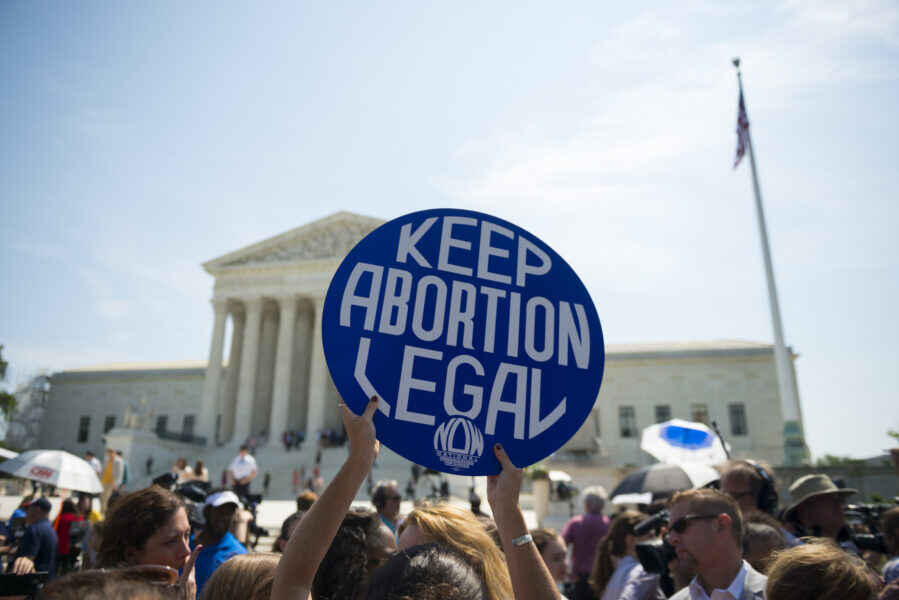
As a result of the Supreme Court’s decision in Dobbs v. Jackson Women’s Health Organization, states now have more legislative power to restrict or expand access to abortion services. One strategy that states are using to pass laws regarding abortion access is to place the issue of abortion on a ballot for voters to decide. These reproductive care access ballot measures are an important litmus test for the inclination of American voters.