In her role as Deputy Director, Climate and Health, Betsy Lawton works on a variety of public health law issues, bringing a community lawyering perspective to her work on climate change, health equity, broadband access, and rural public health. Before joining the Network, Betsy spent over a decade working to improve water quality and represented a broad range of individuals and communities facing water pollution problems. Betsy received her J.D., and a Certificate of Environmental Law, from the University of Wisconsin Law School in 2004 and her Bachelor of Business Administration from the University of Notre Dame.

Articles & Resources

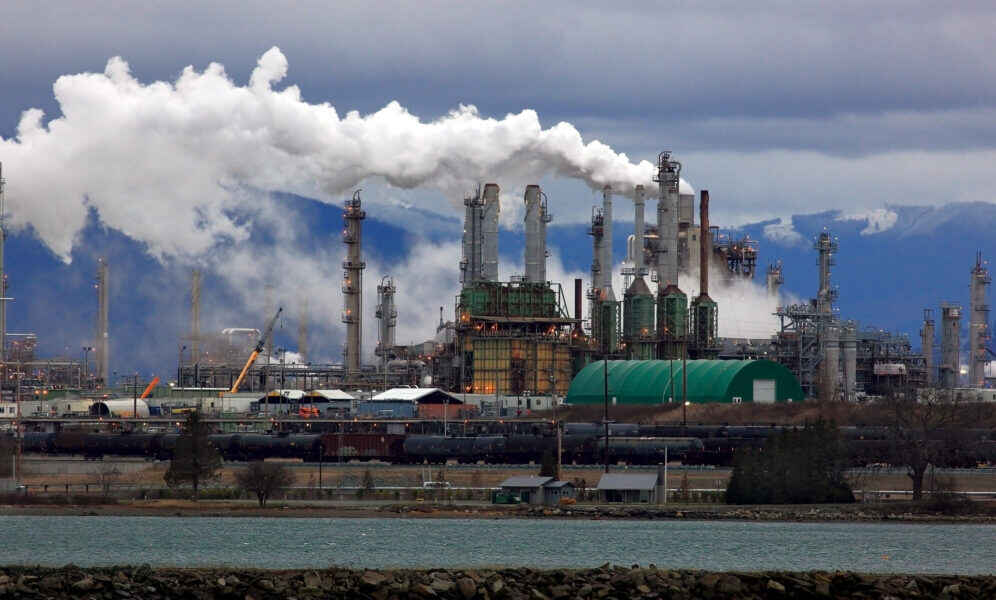
­Making Polluters Pay for Climate Harms – Policies and Pushback

Policy BriefEnvironment, Climate and HealthMechanisms for Advancing Health EquityMechanisms for Advancing Public Health

July 22, 2026
by Betsy Lawton

As climate-related disasters grow more frequent and costly, state and local governments are pursuing "Make Polluters Pay" strategies to hold major fossil fuel companies financially accountable for the public health costs of climate change. This new policy brief from the Network for Public Health Law explores the litigation and climate superfund laws driving these efforts, including a side-by-side comparison of the nation's first two climate superfund laws in Vermont and New York. It also examines the legal challenges and pushback these strategies face from industry, the federal government, and some states.

View page

State Laws to Prevent Utility Shutoffs During Extreme Heat 

Fact SheetClimate Change, Health and Equity (CCHE)

July 22, 2026
by Betsy Lawton

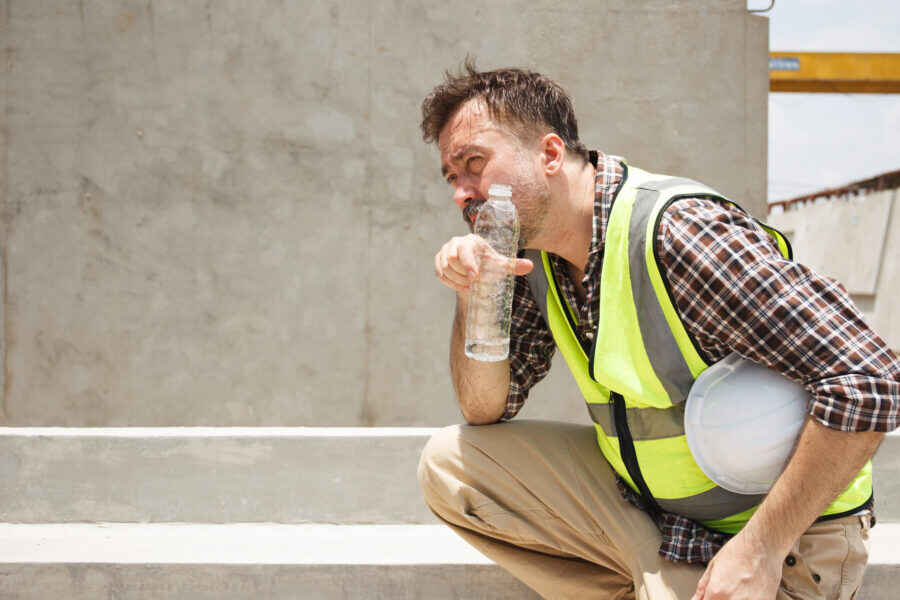
Heat is the deadliest weather-related hazard in the United States, yet only half of states have laws preventing electricity shutoffs when temperatures climb to dangerous levels. Our new fact sheet surveys statewide laws and policies that suspend utility disconnections during extreme heat, breaking down the thresholds that trigger protections, who's eligible, and which states offer repayment or reconnection support.

View page

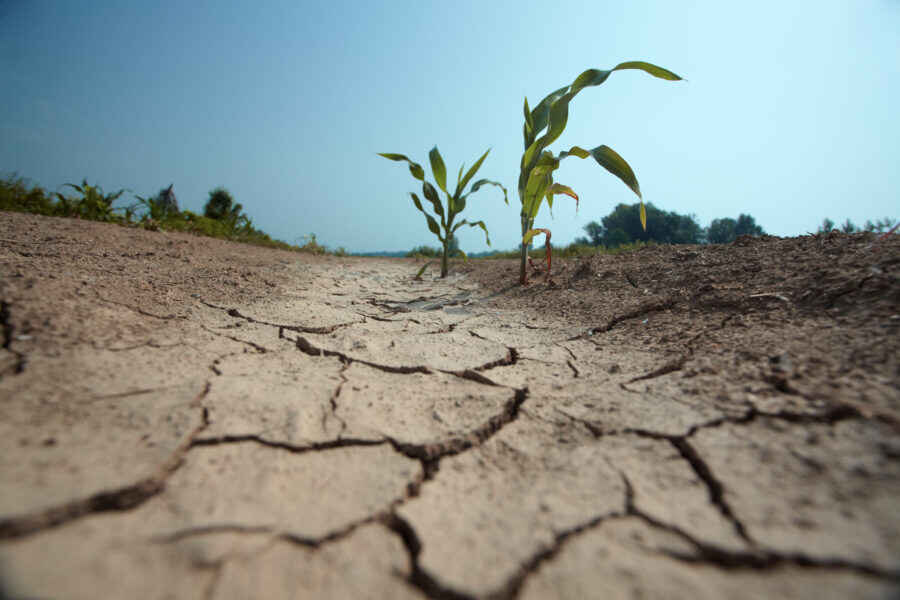
Public Health Law: An Essential Link between Drought Research and Programs to Mitigate Health Impacts

Law & Policy InsightsEnvironment, Climate and HealthMechanisms for Advancing Public Health

November 13, 2025
by Betsy Lawton

The divide between states seeking to restrict abortion and states permitting it continues to widen, as the former pursue new, increasingly draconian, maneuvers to restrict abortion access and the latter bolster protections in response. The intra-state conflict incited by this divide is coming to a head in a legal struggle between Texas and New York. The lawsuit, Texas v. Bruck,  challenges enforcement of a New York shield law and threatens the viability of such legal safeguards moving forward, with major consequences for reproductive health care access.

Read more

­Laws Requiring Private Well Sampling and Disclosure of Results to Residential Tenants­

Fact SheetEnvironment, Climate and Health

June 27, 2025
by Betsy Lawton

While larger public water systems are regulated by the federal Safe Drinking Water Act, smaller wells, including private wells serving individual homes and rental properties are not. As natural disasters caused or exacerbated by climate change are on the rise, the one in eight Americans that rely on private wells for drinking water, largely in rural communities, should be aware of the potential health risks that flooding, storms, and wildfires pose for their drinking water. This resource details some statewide laws that require landlords to test water quality and disclose those results to tenants.

View page

­Statewide Laws to Protect Workers from Extreme Heat­

Fact SheetEnvironment, Climate and HealthInjury Prevention and Safety

June 27, 2025
by Betsy Lawton

Law and policy play a critical role in shaping health outcomes especially when it comes to racial health equity. While legislative actions and trends matter, it is also important to understand the role of the courts in altering legal landscapes in ways that can positively or negatively impact racial health disparities. This fact sheet highlights four 2023 U.S. Supreme Court cases with examples of how each potentially impacts racial health equity. It also provides a further examination of two cases of the cases that can be classified as wins for racial health equity.

View page

­Local Cooling Requirements to Protect Individuals from the Health Effects of Extreme Heat in Living Spaces

Fact SheetEnvironment, Climate and Health

June 27, 2025
by Betsy Lawton

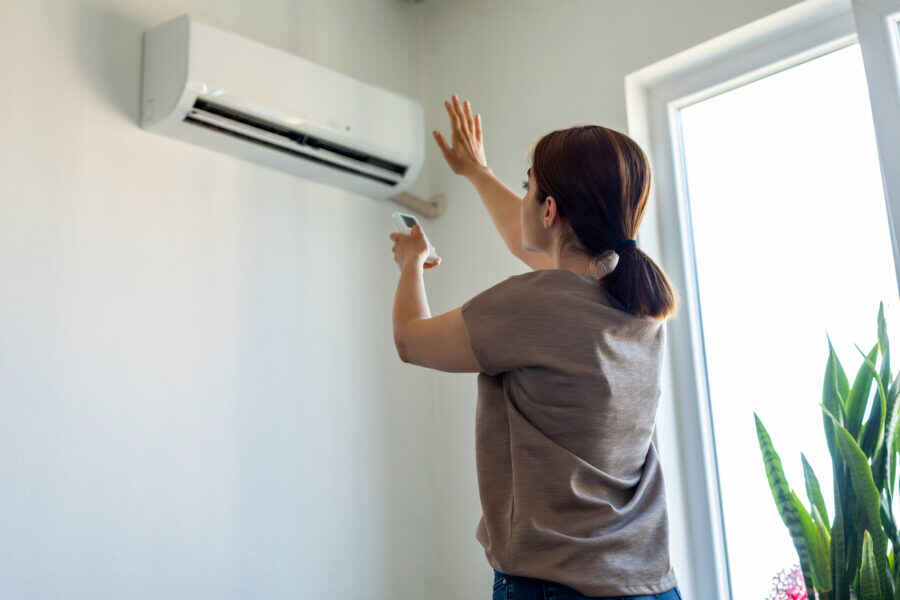
While many states require heating equipment to be installed or minimum temperatures maintained in rental dwelling units, few, if any, states have implemented similar requirements to provide cooling equipment to be installed or temperatures be maintained to prevent people from suffering the health effects of extreme heat where they live.  As temperatures rise due to climate change, local cities and counties are considering ordinances to do just that. This resource summarizes some key features of selected local ordinances.

View page

Home Cooling Policies Can Combat Health Impacts of Extreme Heat, But Should Be Paired with Strategies to Reduce Unintended Consequences

Law & Policy InsightsEnvironment, Climate and HealthMechanisms for Advancing Health EquityMechanisms for Advancing Public Health

March 20, 2025
by Betsy Lawton

With mounting threats to indoor air quality, many public health practitioners and community leaders are looking for practical and legal strategies to improve indoor ventilation and filtration. In addition to the Model Clean Indoor Air Act, one practical strategy to make a quick and cost-effective improvement in indoor air quality – modifying box fans by adding air filters overcomes the barrier to access posed by the high cost of HEPA filters and commercial air purifiers.

Read more